• Tides
  • Fish
  • Marks
  • Fish guide
  • Water quality
  • Log
  • Alerts
  • Tides
  • Fish
  • Marks
  • Fish guide
  • Water quality
  • Log
  • Alerts

For planning a fishing trip only, not for navigation. Check an official tide table and local conditions before you go.

How we scoreAdvertiseAdvertising termsPrivacyTerms of use
  • Tides
  • Fish
  • Marks
  • Fish guide
  • Water quality
  • Log
  • Alerts
  • Tides
  • Fish
  • Marks
  • Fish guide
  • Water quality
  • Log
  • Alerts
Fish guide

Dover sole

Solea solea · Flatfish

Also called sole, slip
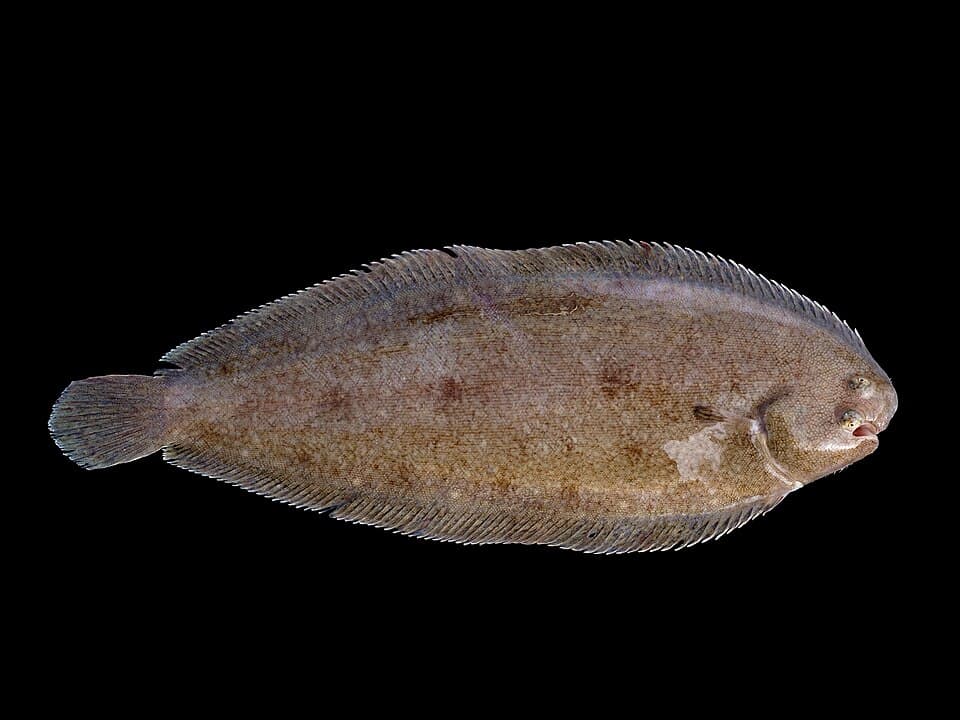
Dover sole
Photo: Hans Hillewaert, CC BY-SA 4.0, via Wikimedia Commons

Night-feeding flatfish of sand and mud; best on calm summer nights with small tides.

How to recognise it

  • An oval flatfish with both eyes on the right side.
  • A rounded head with a small, curved mouth set low.
  • A black spot on the tip of the pectoral fin on the dark side.
  • The fins run all the way round the body to the tail.

When and where

Best months
May–Oct
Found over
sand, mud, beach
Baits
ragworm, lugworm

Late spring to early autumn.

Best times for dover sole near you

Sources

  • FishBase: Solea solea
  • General UK sea-angling guidance (to be verified)

This profile is a draft: we're still checking it against published studies.

Size and bag limit

Minimum size
Sizes vary along the coast. Pick your spot to see the rule there.
Bag limit
None set for the whole UK.
Minimum sizes around the UK
AreaMinimum size
Kent & Essex IFCA24 cm
Sussex IFCA24 cm
Southern IFCA24 cm
Devon & Severn IFCANone
Cornwall IFCANone
Isles of Scilly IFCANot checked yet
North Western IFCA24 cm
North Eastern IFCANot checked yet
Northumberland IFCANot checked yet
Eastern IFCA24 cm
Welsh GovernmentNot checked yet
Scottish GovernmentNot checked yet
DAERA (Northern Ireland)Not checked yet